

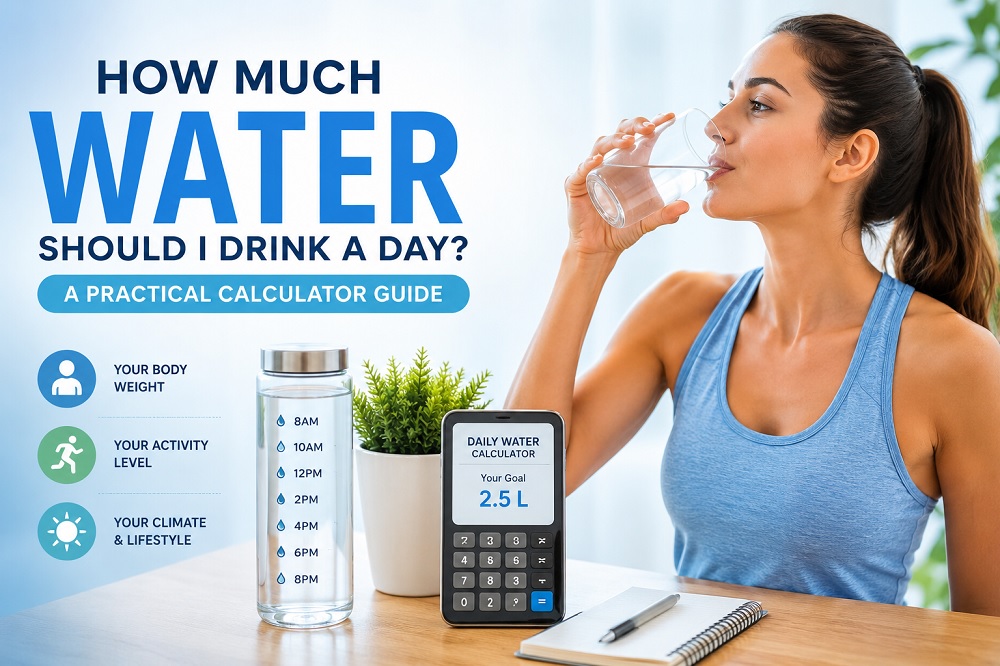
Drink eight glasses of water a day” is one of the most repeated pieces of health advice in the United States, but it’s really more of a rule of thumb than a precise formula. Your actual water needs shift depending on your body size, activity level, the climate you live in, and even your health conditions. This guide breaks down how to estimate your personal daily water target, explains why hydration matters, and shows you how to tell whether you’re drinking enough.
Why Does Drinking Enough Water Matter So Much?
Water makes up roughly 50% to 65% of your total body weight. It’s present in your blood, muscles, organs, and even your bones, and nearly every function your body performs depends on it. Water helps your body:
- Produce essential fluids such as saliva, sweat, and tears
- Support brain function, including mood, memory, and concentration
- Flush waste through urine and bowel movements
- Regulate body temperature through sweating
- Aid digestion and help your body absorb nutrients
- Maintain fluid balance in and around your cells
- Support healthy urinary function, which may lower the risk of kidney stones and urinary tract infections
When you don’t take in enough water to replace what your body loses throughout the day — through breathing, sweating, and elimination — you become dehydrated. Even mild dehydration can leave you feeling sluggish and make it harder to concentrate.
How Much Water Do You Actually Need Each Day?
Research suggests the average healthy adult needs roughly 11.5 cups (about 2.7 liters) to 15.5 cups (about 3.7 liters) of total fluid per day. That figure includes all fluid sources — not just plain water, but beverages like tea and coffee, plus water contained in food. The familiar “eight glasses a day” guideline is an easy number to remember and a reasonable general target, but your ideal amount depends on several personal factors.
A Simple Way to Estimate Your Target
While there’s no single official calculator, a widely used starting point is to think in ranges rather than one fixed number, then adjust based on the factors below.
| Factor | How It Changes Your Water Needs |
| Body size | Larger bodies generally need more total fluid |
| Exercise | Extra water is needed before, during, and after any activity that causes sweating |
| Climate | Hot or humid weather increases fluid loss through sweat |
| Altitude | High altitudes can increase dehydration risk |
| Illness | Fever, vomiting, or diarrhea increase fluid loss and the need for replacement |
| Pregnancy or breastfeeding | Additional fluid is typically needed to support both parent and baby |
What Counts Toward Your Daily Water Intake?
Plain water isn’t the only source that counts. Other beverages such as tea, coffee, and milk also contribute to your daily fluid total. Soda, sports drinks, and fruit or vegetable juices can count too, though it’s worth watching their added sugar, salt, and calorie content.
Food also plays a bigger role than most people realize — it typically supplies about 20% of total daily water intake. Some fruits and vegetables are especially high in water content, including:
- Watermelon
- Cantaloupe
- Strawberries
- Cabbage
- Squash
How Do Exercise and Weather Affect Your Water Needs?
Any activity that makes you sweat increases the amount of fluid your body loses, so it’s important to drink water before, during, and after a workout to replace it. Hot or humid conditions have a similar effect, since your body sweats more to regulate its temperature. High altitude can also raise your risk of dehydration, even without heavy physical exertion. In each of these situations, your baseline daily water target should shift upward.
Does Water Intake Need to Change During Illness or Pregnancy?
Yes. Vomiting, fever, and diarrhea all cause the body to lose fluids rapidly, and replacing them with water, broth, or rehydration solutions becomes especially important during those times. A healthcare professional can offer specific guidance if you’re managing an illness that affects fluid balance. Certain chronic conditions, including bladder infections and kidney stones, may also call for higher fluid intake. Similarly, people who are pregnant or breastfeeding typically need more fluid than usual to stay properly hydrated.
How Can You Tell If You’re Drinking Enough Water?
Your body gives you fairly reliable signals about your hydration status. You’re likely getting enough water if:
- You rarely feel thirsty
- Your urine is colorless or light yellow
Signs that you may not be drinking enough include:
- Frequent headaches
- Dark-colored urine
- Reduced performance during physical activity
- Confusion or dizziness in more severe cases of dehydration
Can You Drink Too Much Water?
Yes, though it’s uncommon in healthy adults. Overhydration is more often seen in athletes preparing for long or intense endurance events. When you drink more water than your kidneys can process, sodium levels in the blood can become dangerously diluted — a condition called hyponatremia, which can be life-threatening in severe cases. This is a good reminder that hydration goals should be reasonable, not extreme.
What’s the Best Way to Build Better Hydration Habits?
Water remains the best overall choice for staying hydrated, and replacing sugar-sweetened beverages with water may even support weight management by increasing feelings of fullness. Consider building these habits into your day:
- Drink water with each meal and between meals.
- Have water before, during, and after exercise.
- Respond promptly to thirst or early signs of dehydration, like a dry mouth.
A healthcare professional can help you determine the ideal daily water amount for your specific body and lifestyle, especially if you have a medical condition that affects fluid balance.
Frequently Asked Questions
Is the “eight glasses a day” rule accurate for everyone?
It’s a reasonable general guideline, but actual needs vary by body size, activity level, climate, and health status. Some people need less, and others need meaningfully more.
Do coffee and tea count toward daily water intake?
Yes. Despite the myth that caffeinated beverages dehydrate you, they still contribute to your overall daily fluid intake.
How much of my daily water comes from food?
On average, food provides about 20% of the total water your body needs each day, with fruits and vegetables like watermelon and cucumber contributing the most.
What color should my urine be if I’m well hydrated?
Colorless to light yellow urine is generally a sign of good hydration. Darker urine often signals it’s time to drink more water.
Can drinking too much water be dangerous?
Yes, in rare cases. Excessive water intake can overwhelm the kidneys and dilute sodium levels in the blood, a condition called hyponatremia, which requires prompt medical attention.
This article is for general educational purposes and is not a substitute for professional medical advice. Consult a healthcare provider for guidance tailored to your individual health needs.
