

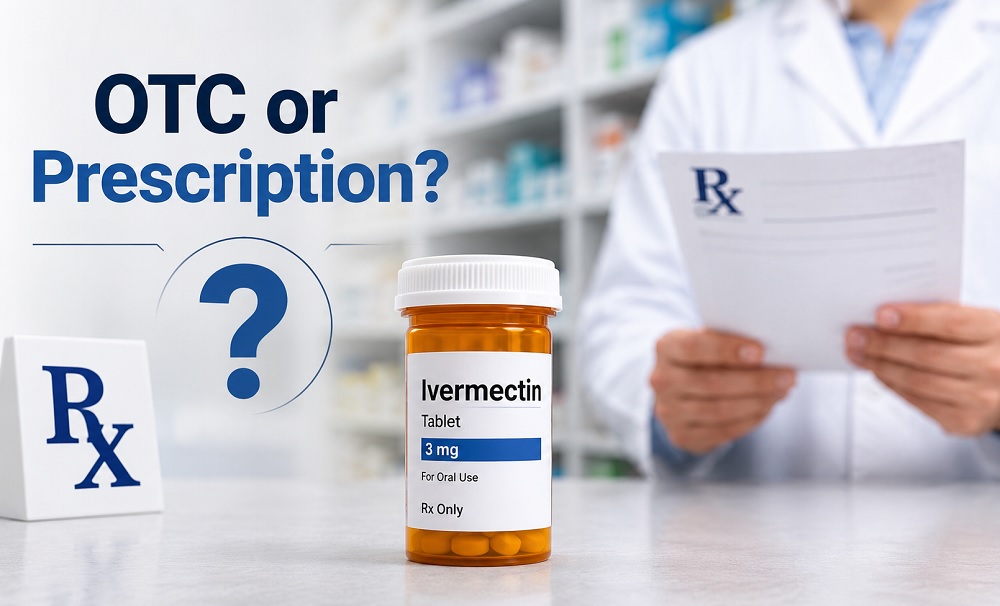
Ivermectin has been the subject of a lot of confusion in recent years, partly because it’s genuinely approved for certain uses in humans, and partly because non-prescription versions made for livestock have been misused by people trying to avoid a doctor’s visit. This article clears up what ivermectin is actually approved to treat, why it requires a prescription in the United States, and what to know about safety before considering it for any use.
Key Takeaways
- Oral ivermectin (brand name Stromectol) is a prescription-only medication in the United States — it is not sold over the counter for human use.
- It is FDA-approved to treat specific parasitic infections, including river blindness (onchocerciasis) and intestinal threadworm infection (strongyloidiasis).
- Ivermectin works by paralyzing and killing parasitic worms, not by targeting viruses or bacteria.
- Animal formulations of ivermectin, sold over the counter at farm and feed stores, are not safe or appropriate for human use.
- Side effects range from mild digestive upset to more serious neurological symptoms, and a doctor’s supervision is required to use it safely.
What Is Ivermectin Approved to Treat?
Ivermectin is classified as an anthelmintic, a type of medication used to treat parasitic worm infections. In the United States, the oral form is approved to treat:
- River blindness (onchocerciasis) — a parasitic infection spread by blackfly bites that can damage the skin and eyes if left untreated
- Strongyloidiasis — an intestinal infection caused by threadworms
The medication works by interfering with the nerve and muscle function of parasitic worms, which paralyzes and ultimately kills them. It does not work against viruses, and it is not FDA-approved for treating any viral illness in humans.
Can You Buy Ivermectin Over the Counter?
No. In the United States, oral ivermectin for human use is available only with a doctor’s prescription. It is not stocked on pharmacy shelves the way over-the-counter pain relievers or allergy medications are. A prescriber determines the correct dose based on body weight and the specific infection being treated, then monitors the patient’s progress, sometimes including follow-up blood tests or stool tests to confirm the infection has cleared.
This is an important distinction from the ivermectin products marketed for animals, such as horses and cattle, which are sold over the counter at agricultural supply stores. Those formulations are manufactured at different concentrations for different purposes and are not intended for human consumption. Taking animal-formulated ivermectin has led to documented cases of serious poisoning, and health authorities have repeatedly warned against this practice.
Why Does Ivermectin Require a Prescription?
Requiring a prescription allows a healthcare provider to:
- Confirm that a parasitic infection is actually present before treatment begins
- Calculate the correct, weight-based dose
- Screen for drug interactions and other health conditions that could affect safety
- Monitor for side effects, some of which can be serious
- Schedule appropriate follow-up testing to confirm the infection has resolved
Because dosing is based on body weight and the specific condition being treated, taking ivermectin without medical guidance increases the risk of an incorrect dose, which can be ineffective or unsafe.
How Is Ivermectin Typically Dosed?
Dosing varies depending on the condition being treated and the patient’s body weight. The table below reflects the general dosing structure used for the two FDA-approved indications, though an individual’s exact prescription should always come from their own healthcare provider.
| Condition | Typical Adult Dosing Basis | Notes |
| River blindness (onchocerciasis) | About 150 mcg per kg of body weight, single dose | May be repeated every 3–12 months as directed |
| Threadworm infection (strongyloidiasis) | About 200 mcg per kg of body weight, single dose | Follow-up stool testing may be required |
Ivermectin tablets are generally taken on an empty stomach with a glass of water, exactly as directed by a prescribing doctor. Doses should never be doubled or adjusted without medical guidance.
What Side Effects Are Associated With Ivermectin?
Like any prescription medication, ivermectin carries a range of possible side effects. More commonly reported effects include joint pain, muscle stiffness, and swollen lymph glands. Less common but still notable effects can include dizziness, fever, chest discomfort, or skin reactions. In rare cases, ivermectin has been associated with more serious neurological symptoms, such as confusion, difficulty standing or walking, or changes in consciousness — all of which warrant immediate medical attention.
People being treated for river blindness may also experience a reaction to the dying parasites themselves, sometimes called a Mazzotti reaction, which can involve eye irritation, joint pain, and swolling. This is one of several reasons ongoing medical supervision matters during treatment.
Who Should Be Cautious With Ivermectin?
Certain groups should discuss ivermectin carefully with a healthcare provider before use:
- Children weighing less than 15 kilograms, for whom safety and dosing haven’t been well established
- Older adults, who are more likely to have liver, kidney, or heart conditions that may require dose adjustments
- People who are breastfeeding, since data on infant risk is limited
- Anyone with bronchial asthma, as the condition may worsen with use
- People taking warfarin, due to a known drug interaction
Why Is Medical Guidance Especially Important With Ivermectin?
Because ivermectin has been widely discussed outside of its approved medical uses, it’s worth being clear: it is not an over-the-counter remedy, it is not interchangeable with veterinary products, and self-dosing carries real risk. A licensed healthcare provider is best equipped to determine whether ivermectin is appropriate for a specific diagnosis, calculate a safe dose, and monitor for side effects throughout treatment.
Frequently Asked Questions
Is ivermectin sold without a prescription anywhere in the US?
No. Human oral ivermectin requires a prescription in the United States. Products labeled for animal use are sold over the counter at farm supply stores, but they are not safe or appropriate substitutes for the human prescription formulation.
What is ivermectin’s brand name in the US? The oral prescription version is sold under the brand name Stromectol.
Can ivermectin treat viral infections?
No. Ivermectin is an antiparasitic medication that works against certain worm infections. It is not FDA-approved to treat any viral illness.
What should I do if I’ve taken an animal formulation of ivermectin?
Contact a healthcare provider or poison control immediately, especially if you’re experiencing symptoms such as confusion, severe drowsiness, or difficulty breathing.
Does ivermectin interact with other medications?
yes, notably with warfarin, which can increase the risk of certain side effects. Always share a complete list of medications with your prescriber before starting ivermectin.
This article is for general educational purposes and is not a substitute for professional medical advice. Never take a prescription or veterinary medication without guidance from a licensed healthcare provider.
