

Quick Answer
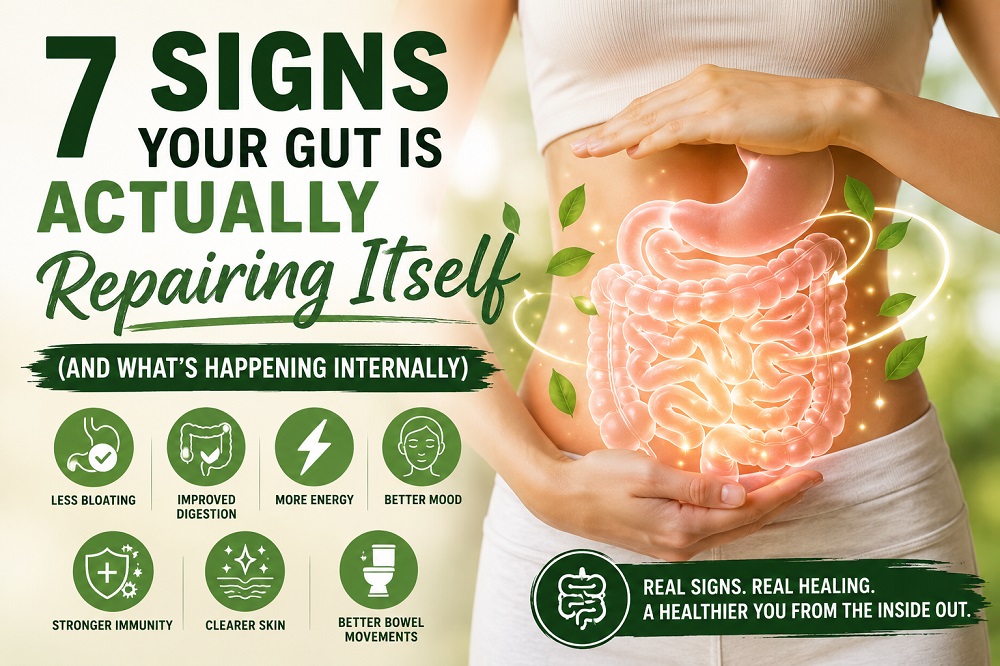
A healing gut usually shows up as more regular, formed bowel movements, less bloating, steadier energy, clearer skin, better sleep, fewer food reactions, and calmer mood. These changes reflect a repairing intestinal lining, a more balanced microbiome, and reduced inflammation — typically noticeable within 2 to 8 weeks of consistent, supportive habits.
How Gut Healing Happens
Gut healing centers on the intestinal lining, a single layer of cells held together by tight junctions that control what passes into the bloodstream. When this lining is irritated by poor diet, chronic stress, alcohol, certain medications, or infection, those junctions loosen — sometimes called “leaky gut” in popular language, though researchers use the term intestinal permeability.
Repair happens on three fronts at once. First, the gut lining regenerates; intestinal cells fully turn over roughly every 3 to 5 days, so the tissue itself can rebuild quickly once triggers are removed. Second, the microbiome rebalances as beneficial bacteria that produce short-chain fatty acids like butyrate recolonize and crowd out less helpful species. Third, inflammation markers drop as the immune system stops reacting to a compromised barrier. These three processes overlap, which is why healing signs often appear gradually rather than all at once.
15 Signs Your Gut Is Healing
1. More Regular, Well-Formed Stools
One of the clearest markers is a bowel movement pattern that becomes predictable — typically once or twice daily, well-formed rather than loose or hard. This reflects better water absorption and reduced inflammation along the colon wall.
2. Less Bloating After Meals
As bacterial balance improves, there is less excess gas production from fermentation, so the stomach feels flatter after eating instead of visibly distended.
3. Steadier Energy Throughout the Day
A healthier gut absorbs nutrients — particularly B vitamins and iron — more efficiently, and lower systemic inflammation reduces the fatigue that inflammatory cytokines can cause.
4. Fewer Food Sensitivities
As the intestinal barrier tightens, fewer partially digested food particles trigger immune reactions, so previously troublesome foods like dairy or gluten may become easier to tolerate in moderate amounts.
5. Improved Skin Clarity
The gut-skin axis means inflammation in the intestines can show up as acne, eczema, or rosacea. As gut inflammation settles, many people notice calmer, less reactive skin within several weeks.
6. Better Sleep Quality
About 95% of the body’s serotonin, a precursor to melatonin, is produced in the gut. A recovering microbiome supports more consistent serotonin signaling, which can translate into falling asleep faster and waking less often.
7. More Stable Mood and Less Brain Fog
The gut-brain axis links intestinal bacteria to neurotransmitter production and vagus nerve signaling. As inflammation decreases, many people report clearer thinking and fewer anxious or irritable spells.
8. Reduced Cravings for Sugar and Processed Food
Certain bacteria thrive on sugar and can influence cravings through gut-brain signaling. As those populations shrink and fiber-loving bacteria grow, sugar cravings often ease naturally.
9. Less Frequent Heartburn or Acid Reflux
A more balanced gut environment supports healthier stomach acid regulation and reduces the bacterial overgrowth that can contribute to reflux symptoms.
10. Stronger Immune Response
Roughly 70% of immune tissue lines the gut. Fewer colds, faster recovery from minor illness, and fewer allergy flare-ups can indicate a better-functioning gut-immune relationship.
11. Weight Stabilizing More Easily
A balanced microbiome influences how efficiently the body extracts and stores energy from food, which can make weight easier to maintain without drastic dieting.
12. Less Joint and Muscle Inflammation
Because intestinal permeability is linked to systemic inflammation, some people notice reduced joint stiffness or muscle achiness as the gut lining repairs.
13. Normalized Appetite Signals
Hunger and fullness hormones like ghrelin and leptin are partly regulated through gut signaling, so a healing gut often brings more consistent, less erratic appetite.
14. Fresher Breath
Persistent bad breath can stem from bacterial imbalances or slow digestion. As gut transit time normalizes, breath often improves without any change in oral hygiene.
15. Fewer Unexplained Headaches
Some headaches are linked to food sensitivities and inflammatory signaling from the gut; as tolerance improves, headache frequency can decrease for certain individuals.
Early Signs vs Long-Term Signs
Early signs, appearing within roughly 1 to 3 weeks, tend to involve digestion itself: less bloating, more regular stools, and reduced gas. Long-term signs, which build over 2 to 6 months, involve whole-body systems — clearer skin, stable mood, stronger immunity, and easier weight maintenance. This staggered timeline exists because the intestinal lining repairs faster than the downstream inflammatory and hormonal systems it influences.
How Long Gut Healing Takes
Most people notice initial digestive improvements within 2 to 4 weeks of consistent dietary and lifestyle changes. Deeper repair of the intestinal lining and microbiome diversity generally takes 3 to 6 months, and full recovery from more significant damage, such as after antibiotic use or a gut infection, can take up to a year. Individual timelines vary based on the original cause, overall diet quality, stress levels, and sleep.
Signs Your Gut Is Not Healing Yet
Certain patterns suggest the gut still needs attention: bloating that worsens through the day, stools that remain loose, hard, or inconsistent, ongoing fatigue despite adequate sleep, new or worsening skin flare-ups, persistent brain fog, and a growing rather than shrinking list of food triggers. If these persist despite consistent effort for several weeks, it is worth reassessing diet, stress management, or seeking medical evaluation.
Foods That Support Gut Recovery
Fiber-rich vegetables, fruits, and whole grains feed beneficial bacteria and support short-chain fatty acid production. Fermented foods such as yogurt, kefir, sauerkraut, and kimchi introduce live beneficial cultures. Bone broth and collagen-containing foods supply amino acids that support the gut lining, while polyphenol-rich foods like berries, olive oil, and green tea help lower inflammation. Adequate hydration also supports regular motility and mucus lining function.
Common Mistakes That Slow Healing
Frequent mistakes include reintroducing trigger foods too quickly, relying heavily on processed or ultra-refined foods, chronic under-sleeping, overusing unnecessary antibiotics or antacids, and ignoring chronic stress, which directly affects gut motility and barrier function through the vagus nerve. Expecting overnight results and abandoning changes after a few days is another common setback, since meaningful microbiome shifts take weeks, not days.
When to Talk to a Healthcare Professional
Persistent symptoms such as unexplained weight loss, blood in stool, severe or worsening abdominal pain, symptoms lasting beyond 4 to 6 weeks despite lifestyle changes, or a family history of inflammatory bowel disease warrant evaluation by a doctor or gastroenterologist rather than continued self-management. These can signal conditions that require testing and targeted treatment beyond diet and lifestyle adjustments.
FAQ Section
How do I know if my gut is actually healing?
Consistent, formed bowel movements, reduced bloating, steadier energy, and fewer food reactions over several weeks are the clearest combined indicators.
Can gut healing cause temporary worse symptoms?
Yes. Some people experience short-term bloating or altered bowel habits as the microbiome shifts, often called a “die-off” period, which typically settles within one to two weeks.
What is the fastest way to heal the gut?
There is no true shortcut, but removing inflammatory trigger foods, adding fiber and fermented foods gradually, managing stress, and prioritizing sleep together produce the fastest realistic improvement.
Does gut healing help with skin and mood?
Yes. The gut-skin and gut-brain axes mean reduced intestinal inflammation frequently correlates with clearer skin and more stable mood over time.
Healing Signs vs Warning Signs at a Glance
| Body Signal | Healing Sign | Warning Sign |
| Bowel movements | Regular, formed, easy to pass | Ongoing diarrhea, constipation, or alternating between both |
| Bloating | Rare, mild, tied to specific trigger foods | Daily bloating, especially worsening as the day goes on |
| Energy levels | Steadier energy without afternoon crashes | Persistent fatigue unrelated to sleep |
| Skin | Fewer breakouts, calmer complexion | New or worsening acne, eczema, rosacea flares |
| Food tolerance | Wider variety of foods sit well | Growing list of foods that trigger symptoms |
| Mood | More stable mood, less brain fog | Increased anxiety, irritability, or foggy thinking |
| Sleep | Falling and staying asleep more easily | Frequent waking, unrefreshing sleep |
Final Takeaways
Gut healing is a gradual, layered process involving the intestinal lining, the microbiome, and the immune system working together. Early relief in digestion typically comes first, while whole-body benefits like clearer skin, steadier mood, and stronger immunity build over months. Paying attention to consistent patterns — not single good or bad days — is the most reliable way to track real progress, and lingering red-flag symptoms should always prompt a conversation with a healthcare professional.
